HomeIndividualCouplesAboutReach Out
Anxiety Therapy · Palo Alto

Anxiety Therapy
in Palo Alto

The loop that won't stop, even when things are fine.

For adults whose anxiety runs deeper than any technique has touched.

Aetna Wellfleet Stanford SHIP
How I Work ↓

Free 15-min · In-person Palo Alto or telehealth ·

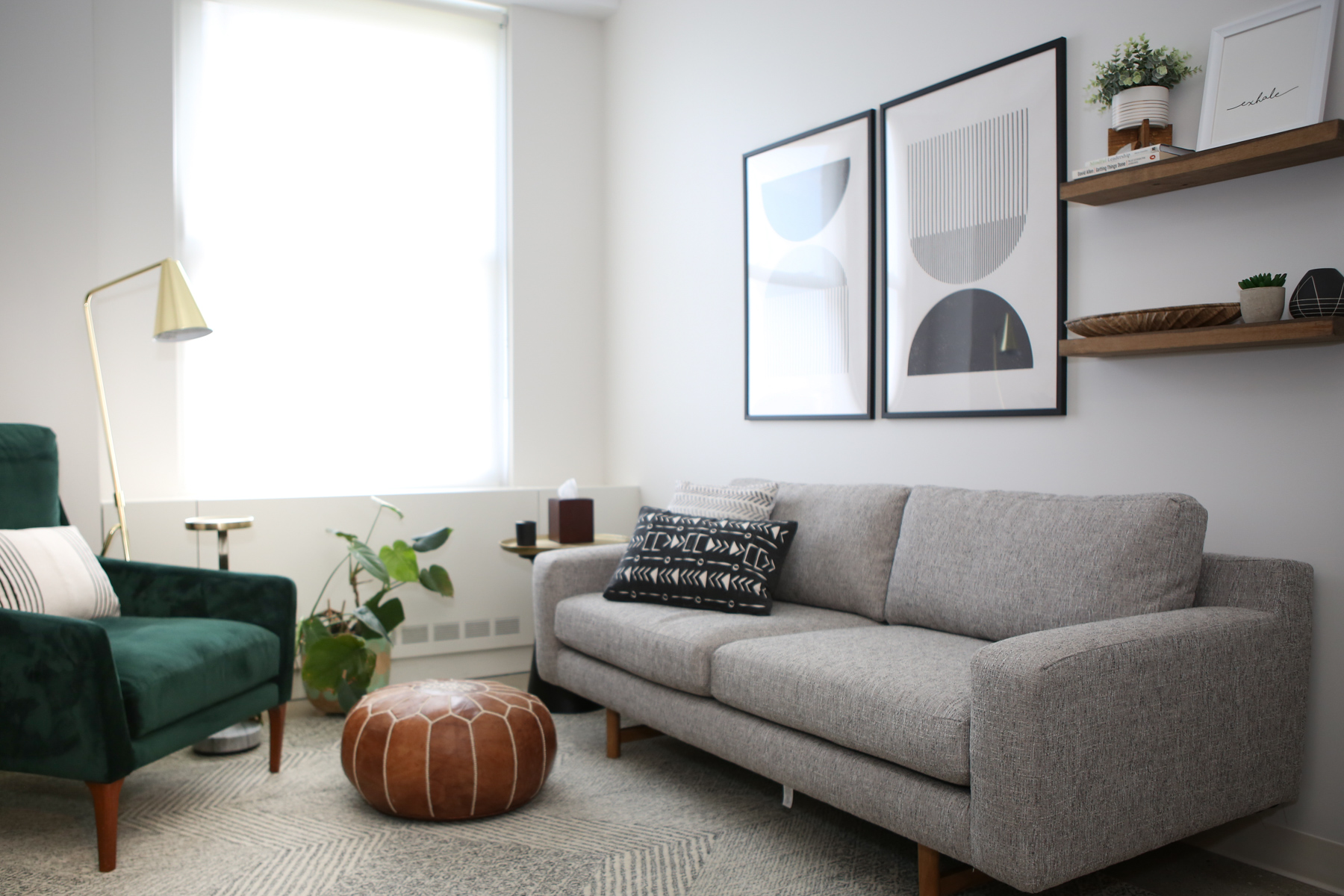
Therapy office, Palo Alto

“Anxiety is the dizziness of freedom.” Kierkegaard said that. What he meant, I think, is this: anxiety isn't a malfunction. It's the nervous system's response to the openness of the future — to the fact that things could go any number of ways, and something in you is bracing against that. The body contracts around the unresolved. The work isn't to stop the contraction. It's to understand what it's protecting.

Does This Sound Familiar?

You manage it well. But it doesn't stop.

Anxiety in high-functioning adults often looks like competence from the outside. From the inside, it sounds like this:

Your mind races through every possible way something could go wrong — even when the situation calls for calm. You arrive somewhere new and are already calculating the exits.

You perform well, but the performance feels like it's covering something. You don't know what would happen if you stopped.

You've mastered the logic of reassurance, but the feeling never quite follows.

The productivity, the preparation, the constant anticipating — you can't tell anymore if it's discipline or avoidance.

You know there's nothing to be anxious about right now. That doesn't help.

Something always feels slightly off. A low hum you can't locate and can't quite put down.

Understanding What's Actually Happening

What anxiety is actually doing

Fear comes with a program for action. Anxiety does not. The difference matters: anxiety isn't alerting you to a threat you can address. It's the activation without an object — which is why no amount of solving, preparing, or reassurance ever fully quiets it.

“The loop of what-ifs is not random. It is organized around something.”

Depth-oriented therapy doesn't try to quiet the loop — it gets curious about what the loop is protecting. That shift — from managing anxiety to making contact with what's beneath it — is where something actually changes.

This is the orientation of depth-oriented therapy: not to fix, manage, or optimize — but to understand what has been organized inside, and make contact with it.

The Approach

Depth-oriented,
body-aware, present.

Every anxiety has a story inside it — something the nervous system is still living from, long after the original circumstances have passed. The work isn't to silence it. It's to hear it out, so it can stop running the show from underground.

Anxiety is not primarily a cognitive phenomenon. It lives in the nervous system, in the body, in the relational field. Thinking about it does not discharge it. My approach works at the level where anxiety actually operates: the somatic activation, the relational pattern, the internal parts that organized around protection. We pay attention to what happens in the room — where the breath goes, what the body braces against, what arises when something gets close.

Gestalt & Somatic WorkTracking what the body holds that the words haven't caught up to.
Object RelationsUnderstanding the relational roots beneath the pattern — the early experiences that taught the nervous system to stay on alert.
Depth PsychologyGetting curious about what the anxiety is protecting, rather than trying to defeat it by thinking harder.
Therapy office, Palo Alto
What Becomes Possible

What shifts with depth-oriented work

The anxiety stops running the show.

Not the absence of anxiety — a different stance toward it. Less identified with it. Less in the exhausting position of trying to defeat it.

The loop loosens

When the thing the loop is protecting becomes visible, the loop has less work to do. It doesn't always disappear. But it loosens. The what-ifs quiet as the actual question gets addressed.

The body stops treating the present as a threat.

Somatic activation that was organized around an old threat gradually reorganizes as the threat becomes understood rather than managed.

How
this starts.

01

Free 15-min consultation

A real conversation — not a form, not a questionnaire. I'm listening for what matters to you, not the polished version of it.

02

First session

An unhurried intake. Your history, what brings you here, how you make sense of things.

03

Ongoing weekly work

Regular 50-minute sessions, in-person in Palo Alto or via telehealth throughout California.

This is one of the areas I work with in individual therapy.

How individual therapy works →
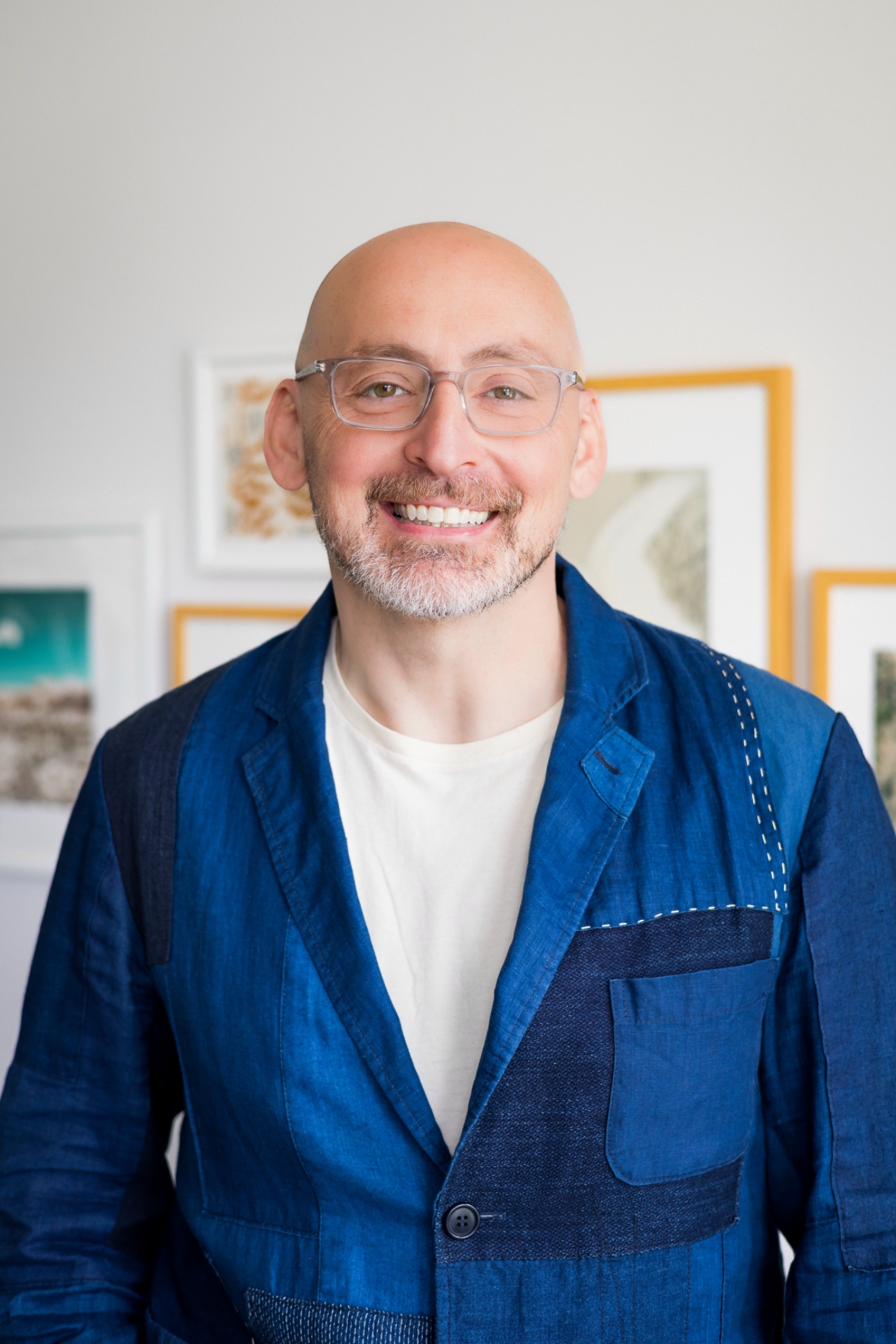
Shawn Walters
Shawn Walters Registered AMFT #138642 · A Good Place Therapy · Palo Alto · Supervised by Christina Miller-Martinez, LMFT #105663

I work with high-achieving Palo Alto adults whose anxiety is well-managed on the outside and exhausting on the inside. My training at California Institute of Integral Studies, combined with Gestalt and somatic approaches, gives me a framework that takes anxiety seriously as a physiological and relational phenomenon — not just a thought problem.

Full Biography

Other Areas of Focus

DepressionTraumaGrief & LossRelationshipsLife Transitions

Before you reach out

Sometimes. Bringing attention to something that has been avoided can initially feel uncomfortable. What I've found is that the discomfort is qualitatively different from the chronic background hum of managed anxiety — it's the feeling of actually contacting something rather than circling it.

Substantially. CBT works at the level of thought patterns. Depth-oriented therapy works at the level of what organized those patterns — the relational experiences, the internal parts, the somatic holding. The relief tends to be more durable because it addresses the roots, not just the branches.

High-functioning anxiety is real and it is exhausting. You don't need to be in crisis to deserve support. Some of the most meaningful therapy work happens with people who, by every external measure, are doing fine.

Yes. I'm in-network with Aetna, Wellfleet, and Stanford University SHIP. Superbills for other PPO plans.

It depends on how layered the anxiety is and what's beneath it. Some clients notice significant shifts within a few months. Others work more deeply over a year or more. We assess together as we go.

 Currently accepting new clients

Anxiety Therapy · Palo Alto

The anxiety is trying to
tell you something.

A free 15-minute consultation is a low-pressure way to find out if this is the right fit.

Start a Conversation