“Listen, are you breathing just a little, and calling it a life?”
— Mary OliverDepth-oriented therapy isn't about techniques or coping tools. It's about making contact with what you've been avoiding — the grief beneath the anger, the longing beneath the withdrawal, the parts of yourself that were learned to be unacceptable.
What happens between us in the room is part of this. The moments when something real surfaces and then gets quickly covered over again. The places where you go quiet, or where something shifts in the body before you've named it. These aren't incidental. They're where the real work lives.
“Contact is the lifeblood of growth, the means for changing oneself and one's experience of the world.”— Erving Polster
You might be managing everything well on the outside while something important goes unattended on the inside. That gap — between the outer life and the inner one — is usually what brings someone here.
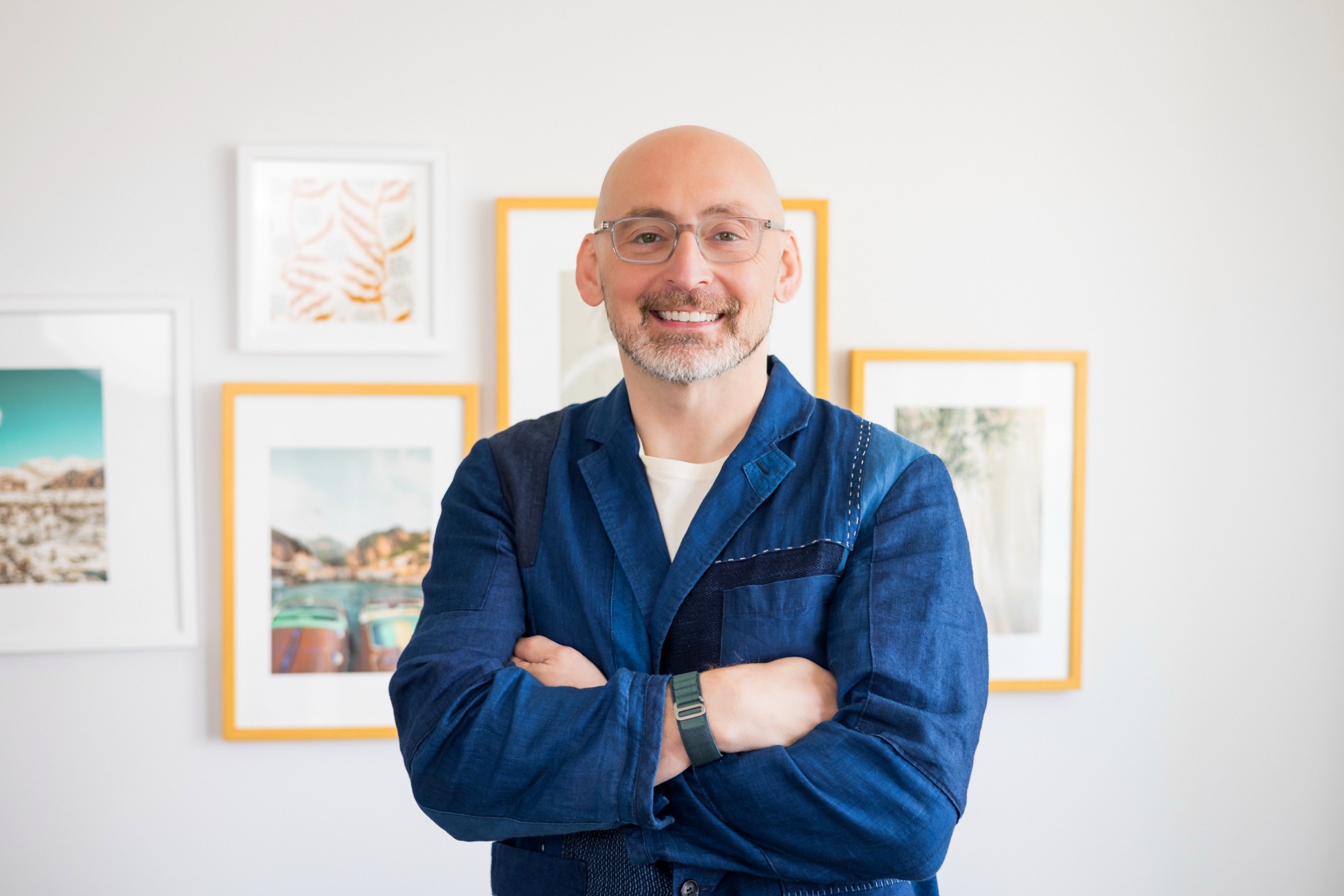
My training at California Institute of Integral Studies brought me into depth psychology, Gestalt, and somatic work. Three months at Plum Village in France and another three at Deer Park in California showed me what it actually looks like to be present with another person — rather than just technically competent.
More About Shawn
Each topic links to a depth exploration of what the experience is and how we approach it.
The loop of worry that runs even when things are fine — and what's underneath it.
The flatness, withdrawal, loss of meaning — and what's still alive underneath.
The past lives in the body. Careful, slow work — building safety before going anywhere difficult.
The ways we connect, rupture, and repair — and the patterns underneath those.
Loss doesn't follow a timeline. Room for it — without rushing, without a destination.
For men who manage everything well and feel hollow about it.
My approach draws on Relational Gestalt therapy, psychoanalytic thinking, ACT, and somatic awareness. No worksheets. No predetermined arc. What it involves is bringing genuine curiosity to what organizes your life — the recurring patterns, the things your body holds before your mind names them, the quiet strategies that once protected something and are now in the way.

Most people have questions before they begin. Here's what depth-oriented therapy looks like in practice.
We talk — but depth-oriented therapy is less about advice-giving and more about paying close attention together to what's actually happening: what feelings arise, where you go when something gets close, what the body holds that the words haven't caught up to.
Palo Alto professionals often tell me the same thing: exceptionally capable and quietly struggling. High-functioning anxiety. The right life without the meaningful one. Depth-oriented therapy is designed for exactly that gap.
Depth work moves more slowly than most approaches — which means it goes somewhere different. If what you've tried addressed the surface but left something untouched, that “something” is often exactly what this is designed to meet.
I offer a free 15-minute consultation — a real conversation — not a screening, not an intake — so you can sense whether this kind of attention feels like something you want more of.
A brief conversation to see if this feels right. No commitment.
An unhurried intake — your history, what brings you here, how you make sense of things.
Regular 50-minute sessions. We adjust as we go.
My approach is depth-oriented and integrative — Relational Gestalt, psychoanalytic thinking, ACT, somatic awareness, and mindfulness. The therapeutic relationship itself is part of the work, not incidental to it.
Depth-oriented therapy moves more slowly — which means it goes places faster approaches often don't reach. If what you've tried addressed the surface but left something untouched, that's often exactly what this work is designed to meet.
Both. In-person at 667 Lytton Ave, Suite #9, Palo Alto. Telehealth available throughout California.
Yes — Aetna, Wellfleet, and Stanford University SHIP. Monthly superbills for other PPO plans.
It depends on what brings you. Some work with me for six months; others continue for a year or more.
That's the most honest question. Most people who reach out aren't sure. The consultation isn't a test — nothing is assumed from it. It's a conversation to see if this kind of attention feels like something worth more of. That's all.
Individual & Couples Therapy · Palo Alto & Online
Currently accepting new clients“Every person's life is worth a novel.” — Erving Polster
A brief message is enough to begin.
Start a ConversationFree 15-min consultation · No commitment · One sentence is enough