HomeIndividualCouplesAboutReach Out
About Shawn

I came to this work
by a different route.

Before the degree, two decades leading artists and engineers through work that mattered to them and quietly cost them. I know that terrain from the inside.

I came to depth work through my own necessity. The training came after.

Reach Out How I Work
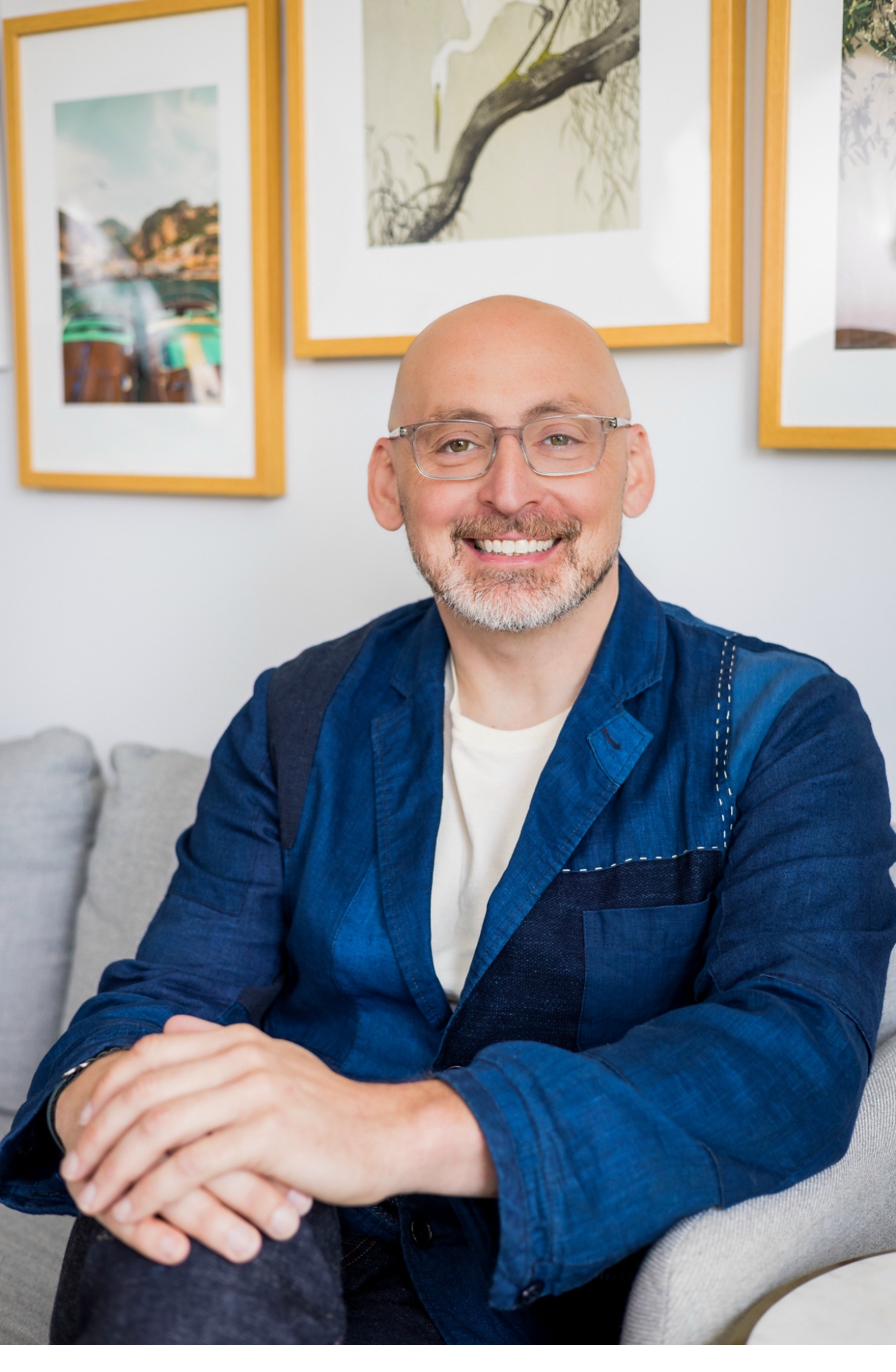
Shawn Walters, therapist in Palo Alto
The Philosophy

How I think about this work.

Something I've noticed: the more capable someone appears, the harder it often is to ask for help. That observation didn't come from a textbook. It came from years of sitting with people who were managing everything well — and quietly disappearing inside it.

Most of what I do involves helping someone become curious about themselves, rather than afraid of themselves. That's a subtler shift than it sounds. And it changes everything.

“The particular cost of staying competent on the outside while something important goes unattended on the inside.”

Begin where you are

Most of what we carry is either the residue of the past or the anticipation of the future. The work begins here, now, with what's actually in the room.

The relationship is the medium

The therapeutic relationship is not a container for the work — it is the work. What happens between us in real time is the most useful data we have.

Nothing gets left out

Mind, body, and the relational field between us. What you think, what you feel, and what the body is holding that the words haven't yet found. All of it is material.

“All real living is meeting.”— Martin Buber, I and Thou

The Approach

Depth-oriented,
relational, present.

“The most precious gift we can offer anyone is our attention. When mindfulness embraces those we love, they will bloom like flowers.” — Thich Nhat Hanh

What I'm trying to do in a session is make genuine contact — with what's actually present in the room, not with a theory about what should be there. That means staying attuned to what arises between us: the shift in tone, the moment something gets close and then moves away, the thing the body holds that the words haven't yet found. I try to companion rather than direct — to stay with what is here rather than move it toward where I think it should go, open to what emerges rather than what I've anticipated. The frameworks below are how I understand what I'm attending to.

Mindfulness-Based TherapyWhat's here, now — in the body, in the breath, in the room. Not as technique but as orientation.
Relational GestaltThe contact between two people in real time is the most useful data in the room.
Trauma-Informed CareNothing moves toward difficult material before the ground is stable enough to hold it.
Acceptance & Commitment TherapyLearning to stop fighting what's here, and start moving toward what matters.
Depth PsychologyThe recurring figures, the internal patterns, the parts that have been waiting for attention.
Psychedelic IntegrationFor those working with psychedelic medicines: integration support that brings depth-psychological and contemplative perspective to what arises.
Therapy office, Palo Alto
Background

Learning to wait.

I didn't arrive here directly. Before this work there was another life — twenty years of building things with people, navigating complexity, watching capable people carry more than showed on the surface. That life taught me to pay attention to what goes unspoken. To notice the gap between how someone presents and what they're actually carrying.

That attention is what I bring here. The training sharpened it. The contemplative practice deepened it. But the roots are older than either.

My training at the California Institute of Integral Studies brought me into depth psychology, relational Gestalt, and somatic work. Part of that training included residential practice at Plum Village in France and Deer Park Monastery in California — three months at each, sitting and working alongside people who had given years to understanding what it means to be genuinely present with another person.

There's a quality of listening that most conversations never quite reach — not because it requires skill, but because it requires a particular kind of stillness. The willingness to be actually present with another person's experience rather than already forming a response to it. To let what's difficult be difficult, without moving to fix it. To stay with what's unfinished without quietly pushing it toward resolution.

That's what I'm reaching toward in each session. Not the right interpretation, not the useful reframe — just genuine contact with what's actually here. When someone feels that kind of reception, something tends to relax. What's been held tightly has room to open. What was unspeakable becomes, slowly, speakable.

The contemplative work I've returned to over the years is in service of that. Not expertise — just the capacity to be genuinely present.

For those who want the formal version:

Training & Credentials

M.A. Integral Counseling Psychology — California Institute of Integral Studies
B.A. Philosophy — University of Pittsburgh
Psychedelic Integration Training
Emotionally Focused Family Therapy Fundamentals
Relational Gestalt Therapy, Residential Training
Acceptance and Commitment Therapy Fundamentals
Plum Village 3-Month Mindfulness Residential (France, 2022; Deer Park, 2023)
Services

How I can help

Currently accepting new clients
 Currently accepting new clients

Individual & Couples Therapy · Palo Alto & Online

Ready to begin a
different conversation?

A brief message is enough to start.

Start a Conversation

Free 15-min consultation · No commitment · One sentence is enough